Protecting Your Property from Payment Fraud and Fake Bookings
Hospitality is a prime target for fraud because payment is taken card-not-present — the cardholder is never physically there to verify. A fake booking or a payment made with a stolen card can bring more than just a lost room rate; it can bring bank penalties and chargeback costs along with it.
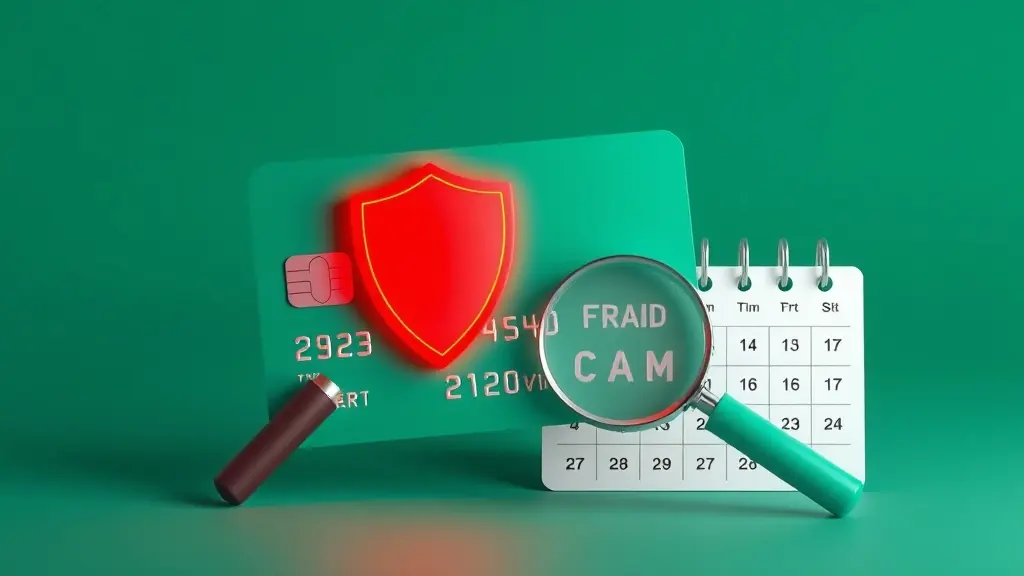
- The most common fraud pattern is a stolen card used for a last-minute, high-value booking, followed by a request for early check-in or a cash refund.
- A chargeback costs a property the lost payment, plus a bank penalty fee, and risks contract termination if the chargeback rate crosses a threshold.
- 3D Secure (cardholder verification) shifts chargeback liability to the bank; payments without it leave the property liable.
- A handful of red flags at booking time (a foreign IP + a rushed date + a high amount) form a simple but effective early-warning checklist.
- Bookings via OTAs (Booking.com, Airbnb) get partially filtered for fraud by the platform; direct bookings put that responsibility entirely on the property.
- Matching the card and the ID at check-in provides a final security layer at the point of physical arrival.
Why Hospitality Is Especially Exposed
Payment for a hotel or rental booking mostly happens in a setting where the card is never physically seen — an online booking engine, a phone call, an email. This 'card-not-present' environment makes it hard for fraudsters to be caught verifying a card in real time. On top of that, hospitality bookings tend to run high in value (multiple nights, multiple rooms) and offer flexible cancellation, which makes the sector an attractive target for fraud attempts.
How a Chargeback Works — and Why It's Dangerous
When a cardholder notices unauthorized use and disputes it with their bank, the bank reclaims the payment from the property — this is a chargeback. The cost to a property is three-layered: the lost booking value, a chargeback processing penalty fee (usually a fixed amount) from the bank, and the risk that a payment provider terminates the contract or raises processing fees once the chargeback rate crosses a threshold.
| Payment method | Chargeback liability | Risk level |
|---|---|---|
| Card payment with 3D Secure | Liability largely shifts to the bank due to cardholder verification | Low |
| Card payment without 3D Secure | Liability stays with the property | High |
| Payment via OTA (Booking.com/Airbnb) | Platform pre-filters, absorbs part of the risk | Medium |
| Bank transfer/wire | No chargeback risk, but refunds move slower | Low (but has liquidity risk) |
| Card details taken by phone/email | Highest-risk category, verification is extremely limited | Very high |
3D Secure: The Simplest, Most Effective Safeguard
3D Secure (banks' cardholder verification system — known as 'Verified by Visa' and 'Mastercard Identity Check') requires the cardholder to approve payment via SMS or app from their own bank. That extra step both meaningfully deters fraud attempts and — critically — shifts chargeback liability from the property to the bank if a dispute happens anyway. Confirming that 3D Secure is enabled by default in your booking engine's payment setup delivers the biggest single risk reduction available.
Fake Booking Patterns and Early Warning Signs
Some fake bookings aren't payment fraud at all — they serve a different purpose: exploiting a cancellation policy, abusing a fake discount code, or creating fake occupancy for competitive reasons. Both carry operational and financial risk.
- Abnormally short gap between booking date and check-in date (same day/next day)
- Mismatch between the guest's stated country and the card's issuing country
- Unusually high room or night count from a first-time guest
- A cancellation/refund request immediately after booking, paired with a 'cash refund' request
- Multiple booking attempts under different names using the same card within a short window
- Contact details (phone/email) that can't be verified or look disposable
A Final Verification Layer at Check-In
One of the most reliable last checkpoints against payment fraud is matching the card to the ID at physical check-in. If the name on the card that paid doesn't match the ID of the guest checking in, that warrants further explanation (a family member booking on someone else's behalf can be legitimate, but it should be confirmed). The ID information already collected during foreigner registration (KBS) is a natural point to make this match without extra work.
Extra Caution for Direct Bookings
Platforms like Booking.com and Airbnb run a degree of fraud filtering in their own payment infrastructure and absorb part of the risk. Direct bookings taken via your own website or phone/email don't have that protective layer — the entire verification burden falls on the property. For properties actively growing their direct booking channel, this makes investing in payment security infrastructure (3D Secure, a trusted payment provider) especially important.
Payment fraud and fake booking risk can't be eliminated entirely, but making 3D Secure the default, recognizing early-warning patterns, and matching card to ID at check-in bring the risk down to a manageable level. The cost of a single chargeback can far outweigh the cost of putting these safeguards in place.
Frequently Asked Questions
Can I get my money back after a chargeback?
+
You can dispute a chargeback by submitting evidence (ID verification records, check-in signature, 3D Secure confirmation) in some cases, but the process takes time and isn't guaranteed — prevention is always more effective than recovery.
Does 3D Secure hurt my booking conversion rate?
+
There can be a small amount of drop-off from the extra step, but that's usually offset by reduced chargeback risk; reliable payment providers make the extra step as frictionless as possible.
Is there fraud risk with bookings coming through an OTA?
+
Lower, but not zero — platforms filter within their own payment flows, but matching card to ID at check-in is still recommended.
What should I do if I spot a suspicious booking?
+
Contact the guest before confirming and request extra verification (a photo ID, cardholder confirmation); if doubt remains, cancelling the booking and refunding the deposit is cheaper than managing a chargeback.
How do I safely take card details over the phone?
+
Where possible, send a secure payment link (3D Secure enabled) instead of taking card numbers over the phone; noting down a card number directly carries both security and legal risk.
What happens if my chargeback rate gets too high?
+
Your payment provider/bank may charge higher processing fees or terminate the contract past a certain threshold — keeping the chargeback rate low protects not just individual losses but the continuity of your payment infrastructure.
Keep a Close Eye on Your Booking Patterns
Track your booking and payment data from one place with HotelPilot, and catch suspicious patterns early.